
Access Is Not Learning: How to Address the New Digital Divide in Schools
The digital divide no longer depends solely on access to devices. It also relates to skills, support, and opportunities to learn with technology.
Read articleIdeas on education, questions, data and AI in learning.
The digital divide no longer depends solely on access to devices. It also relates to skills, support, and opportunities to learn with technology.
Read article
Question formulation can become an educational methodology for developing curiosity, critical thinking, autonomy, and inquiry-based learning.
Read article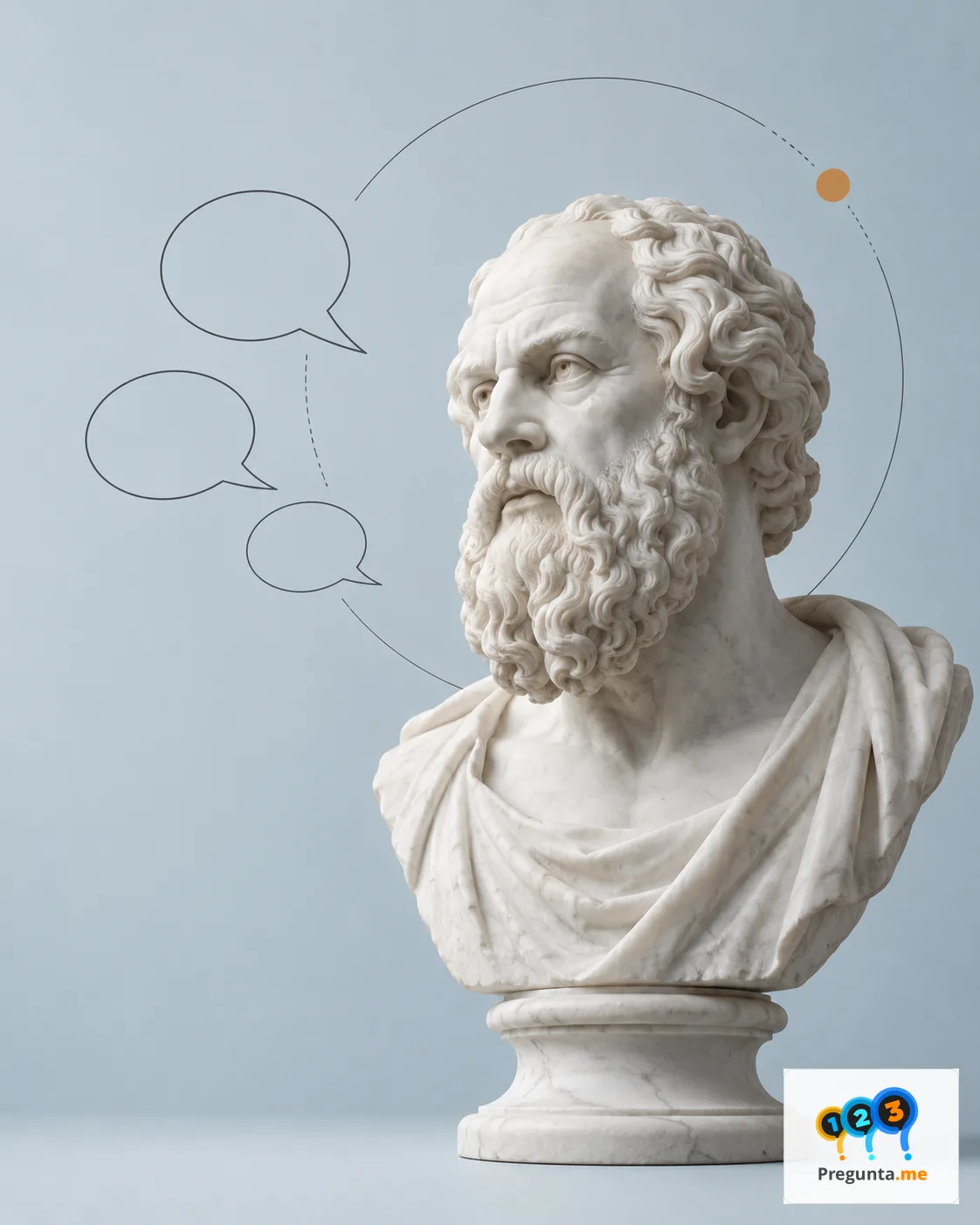
The Socratic method shows how questions can help students examine their ideas, build arguments and learn before seeking definitive answers.
Read article
AI literacy will help students understand, evaluate, and use these tools critically, creatively, and responsibly.
Read article
AI is already part of educational work. Learn which competencies teachers need to develop in order to use it with pedagogical judgment, ethics, and a focus on learning.
Read article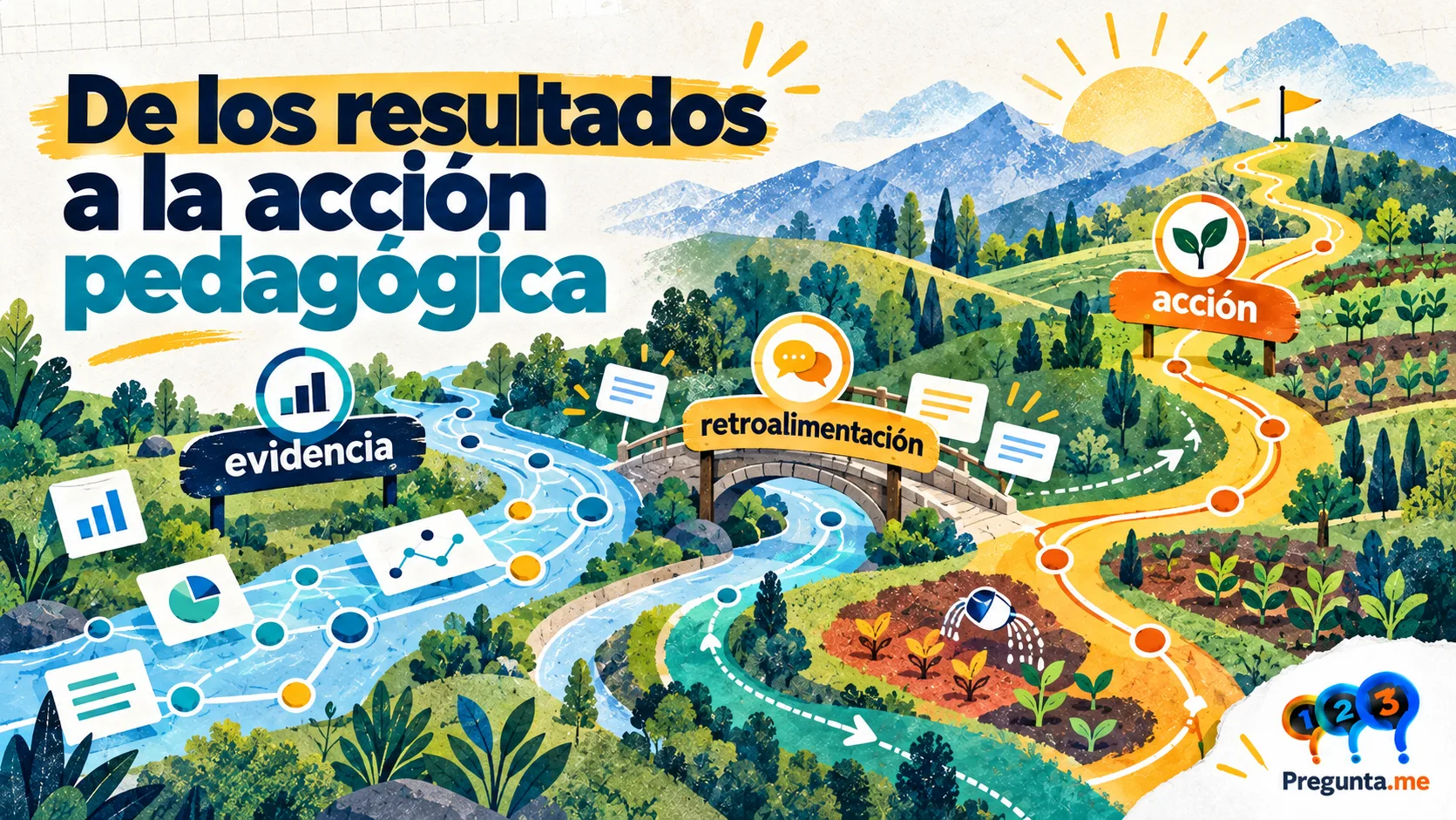
The results of an assessment are valuable when they help make better decisions. Learn how to turn learning evidence into feedback, support, and new teaching strategies.
Read article
Artificial intelligence can provide quick answers, but the real educational challenge lies in teaching students to formulate better questions. Discover how to use AI to strengthen critical thinking in the classroom.
Read article
Artificial intelligence can reduce workload and support educational planning, but the teacher’s pedagogical judgment remains central. Learn how to use AI with educational purpose.
Read article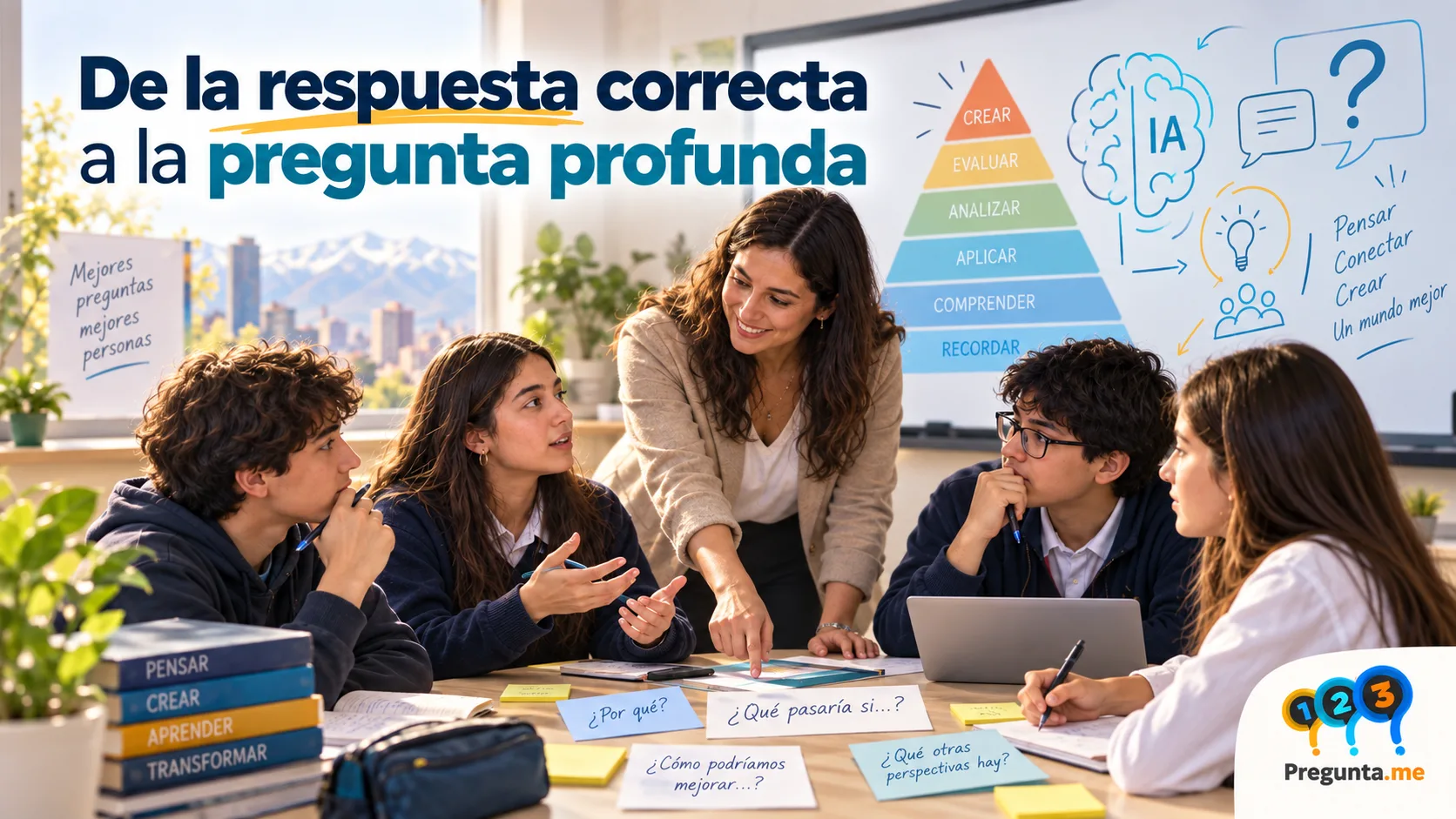
Learn how to transform assessments focused on correct answers into questions that promote analysis, argumentation, creativity, and critical thinking, with the support of technology and AI.
Read article